How we approach wilderness guiding differently
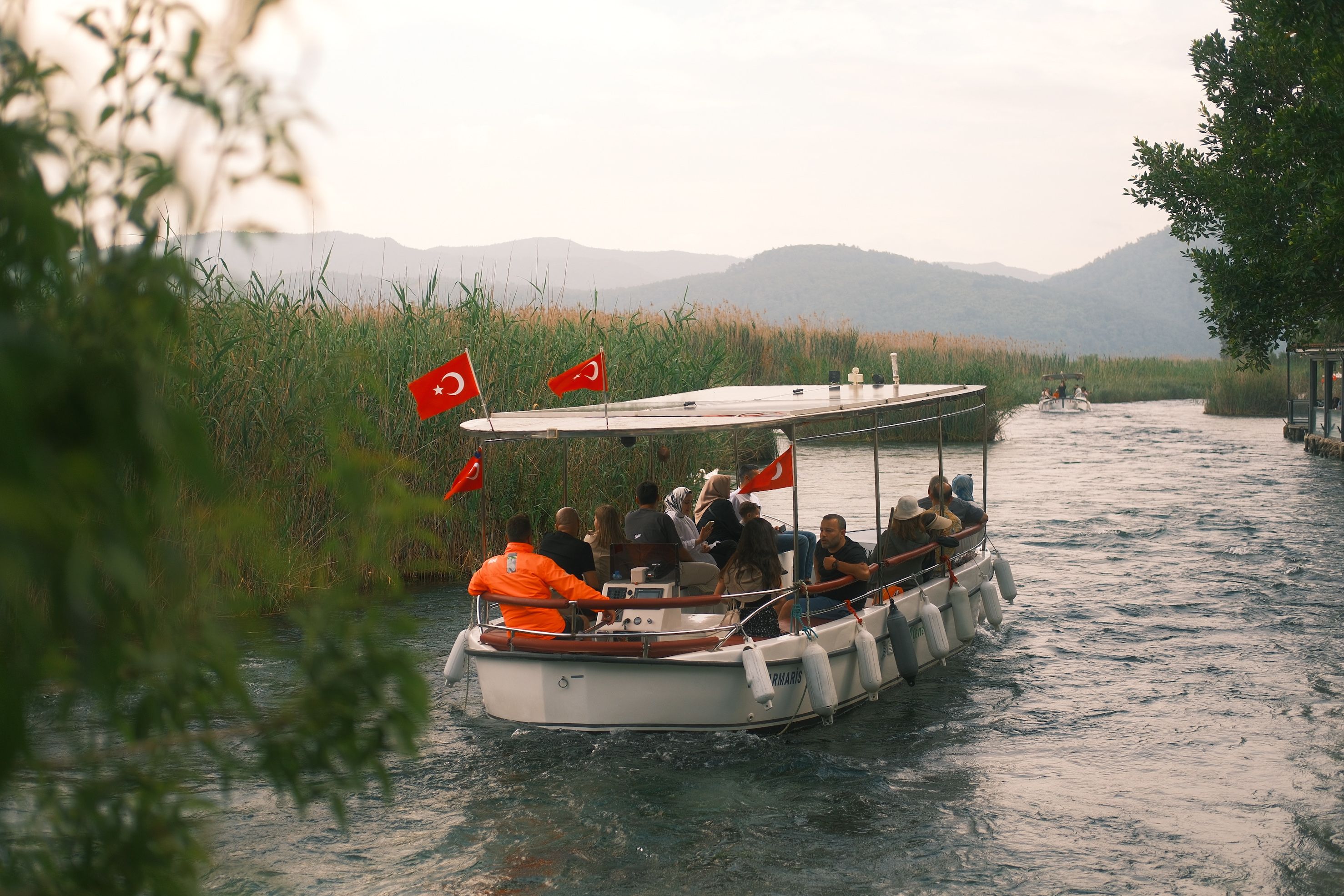
Three former park naturalists started meeting to discuss what bothered us about conventional tourism. The pattern was obvious: groups moved too quickly, guides talked too much, and participants left with superficial impressions.
We experimented with longer silences, smaller groups, and itineraries built around wildlife patterns rather than human convenience. The feedback suggested we had identified something meaningful.
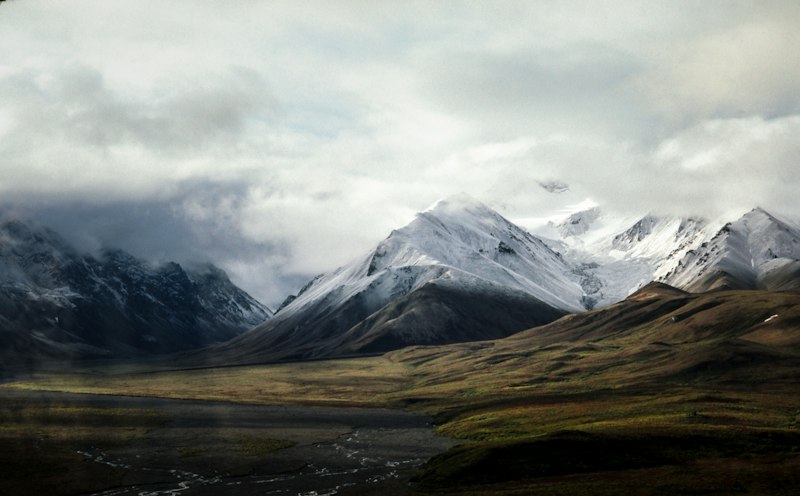
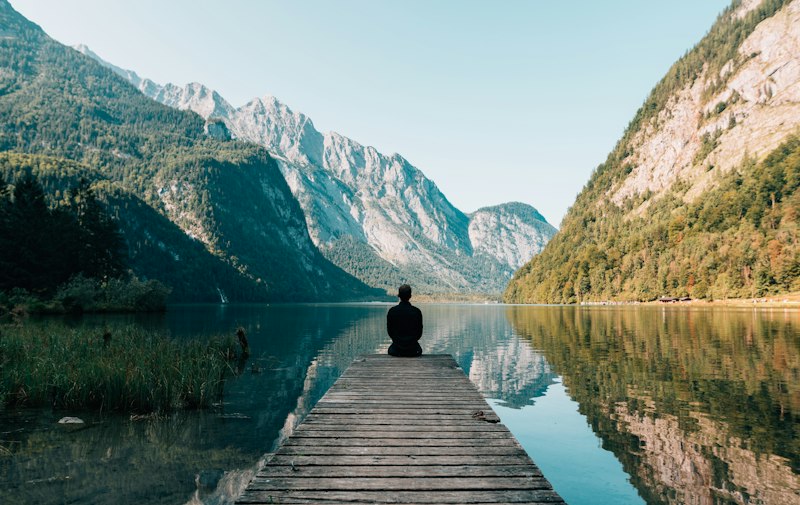
Our team combines ecology degrees with decades of field time. Understanding nutrient cycles, predator-prey dynamics, and succession patterns shapes how we interpret landscapes.
Certifications verify baseline competence. Real expertise emerges from observing the same territory across seasons until you notice deviations from normal patterns.
We establish what you're seeing before discussing why it matters. Context becomes meaningful only after you've registered the details.
When you start asking about what you're noticing, learning has begun. Our job is creating conditions where curiosity emerges naturally.
Reasonable physical challenge expands your perception of capability. We calibrate difficulty to push boundaries without creating misery.
Traditional ecological understanding offers perspectives that Western science often confirms centuries later. We integrate both frameworks.
Beyond eight participants, the dynamic shifts from shared exploration to managed crowds. Wildlife becomes wary, conversations fragment, and guides spend energy on logistics rather than interpretation.
We cap groups at six. This allows for flexible pacing and preserves the possibility of unexpected detours when interesting phenomena appear.
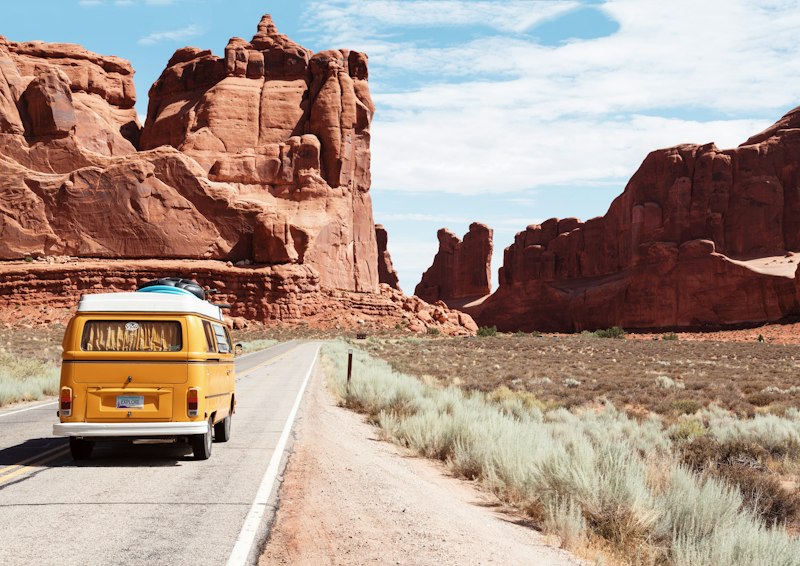
Lead Naturalist
Eighteen years interpreting alpine ecosystems. Specializes in reading terrain for avalanche risk and identifying medicinal plants used by First Nations communities.
Marine Expedition Guide
Former fisheries biologist who transitioned to guiding after realizing more people needed to understand coastal food webs. Certified rescue diver and sea kayak instructor.
Cultural Liaison
Anishinaabe educator who ensures our practices respect the territories we traverse. Teaches traditional navigation methods and seasonal resource management.
Certain ecosystems require rest periods. We don't guide during sensitive breeding seasons or when trail conditions degrade vegetation recovery.
This constraint protects the resource that makes these experiences possible. Tourism that depletes its own foundation is simply extraction with better marketing.
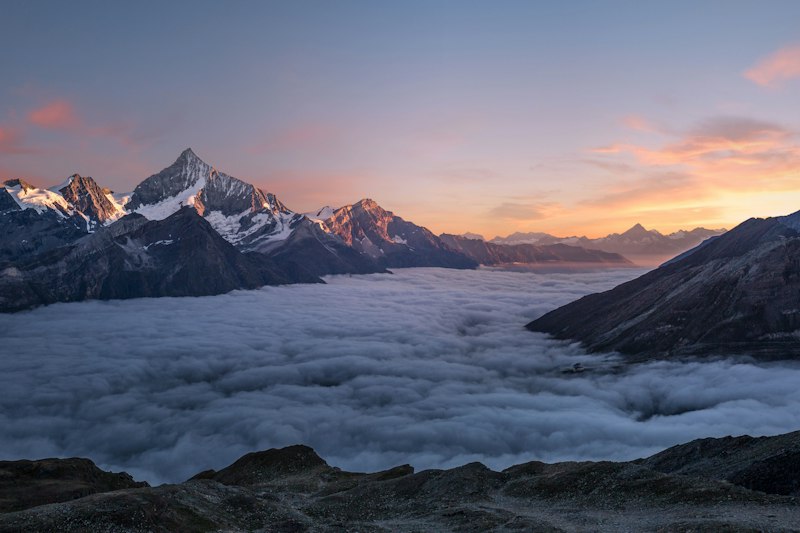
The landscapes remain accessible to anyone. What we offer is the framework for seeing what's actually present.
View Available Expeditions